Cedar, Vinyl, and Chain-Link Fence Installation in Tacoma
A fence has one structural enemy in Western Washington, and it is not wind or neighbors: it is water at the posts. Canyon Roofing Northwest installs cedar, vinyl, and chain-link fences that are built from the ground down, with posts set to survive saturated soil, so the fence stays straight long after the install crew is gone.
FREE ESTIMATES
|
CEDAR, VINYL & CHAIN-LINK FENCING WITH GATES
|
WA CONTRACTOR LICENSE #CANYORN741N8
Cedar Fencing
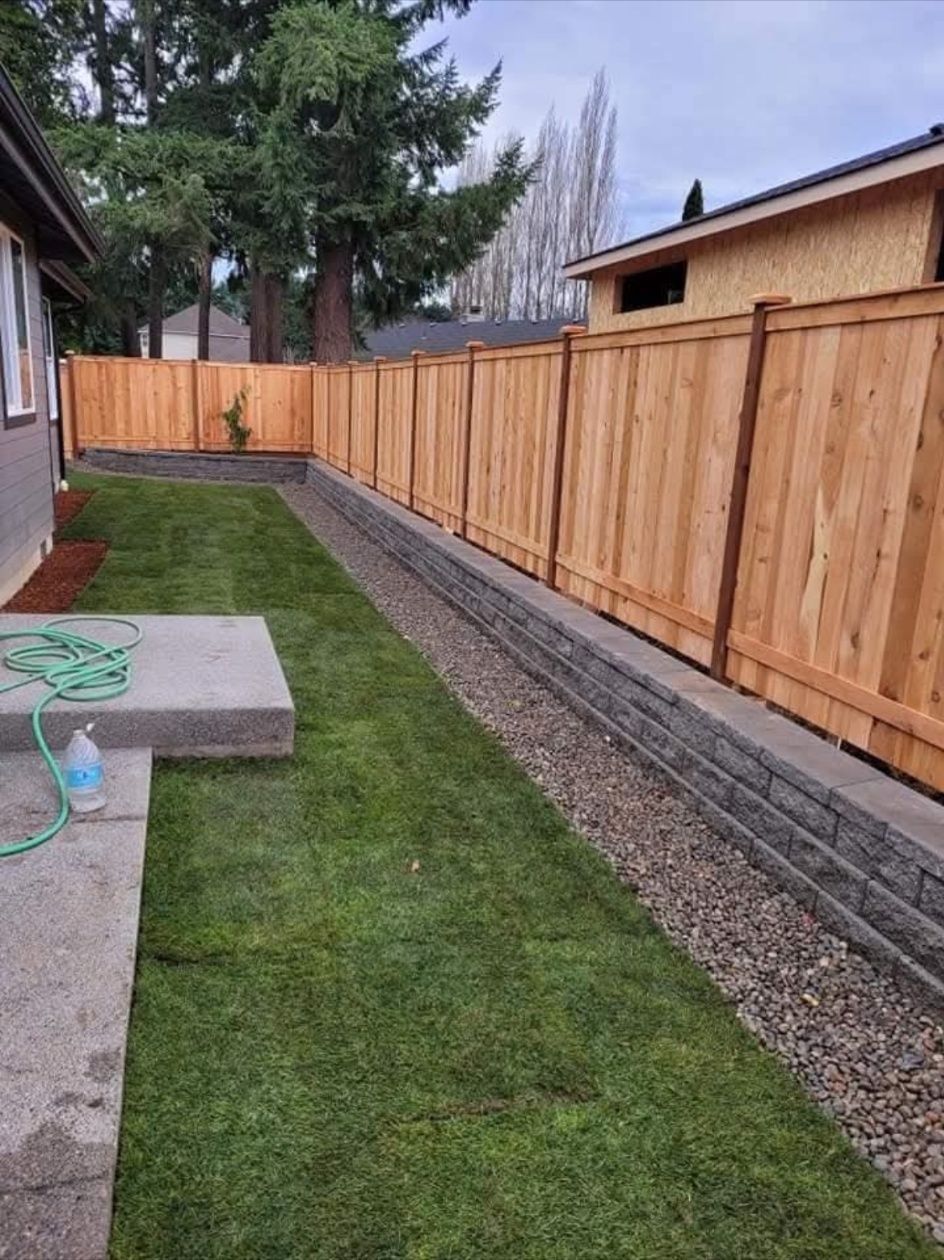
Cedar is the Northwest's fence for a reason: it is grown for this climate, naturally resists rot and insects, and looks like it belongs next to every house in Pierce County. We build cedar privacy fences, gates, and property-line fencing with the construction choices that decide cedar's lifespan:
Posts that outlast the boards
The fence fails at the posts first, so we set them deep, in concrete, with drainage in mind.
Rails and fasteners that hold
Galvanized or coated fasteners that will not streak the wood, and rail connections that resist sag on long runs.
Board choices that fit the goal
Full privacy, board-on-board for a finished look on both sides, or spaced picket where airflow and openness matter.
Left natural, cedar weathers to a silver gray. Stained or sealed, it keeps its color with a maintenance cycle. We will tell you honestly what each choice asks of you before you commit to it.
Vinyl Fencing
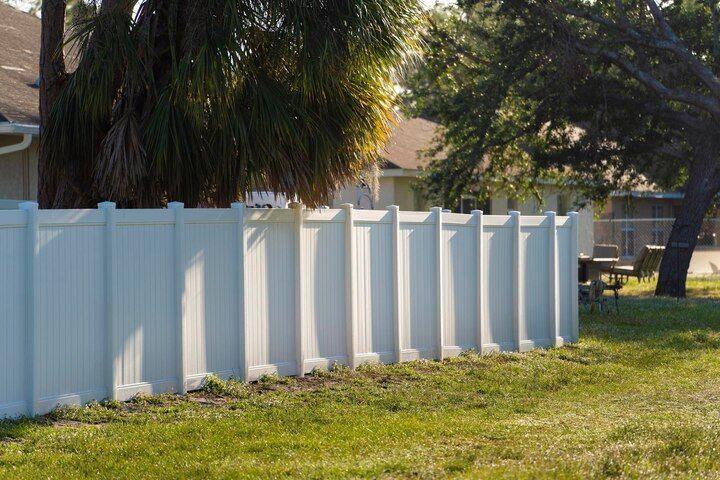
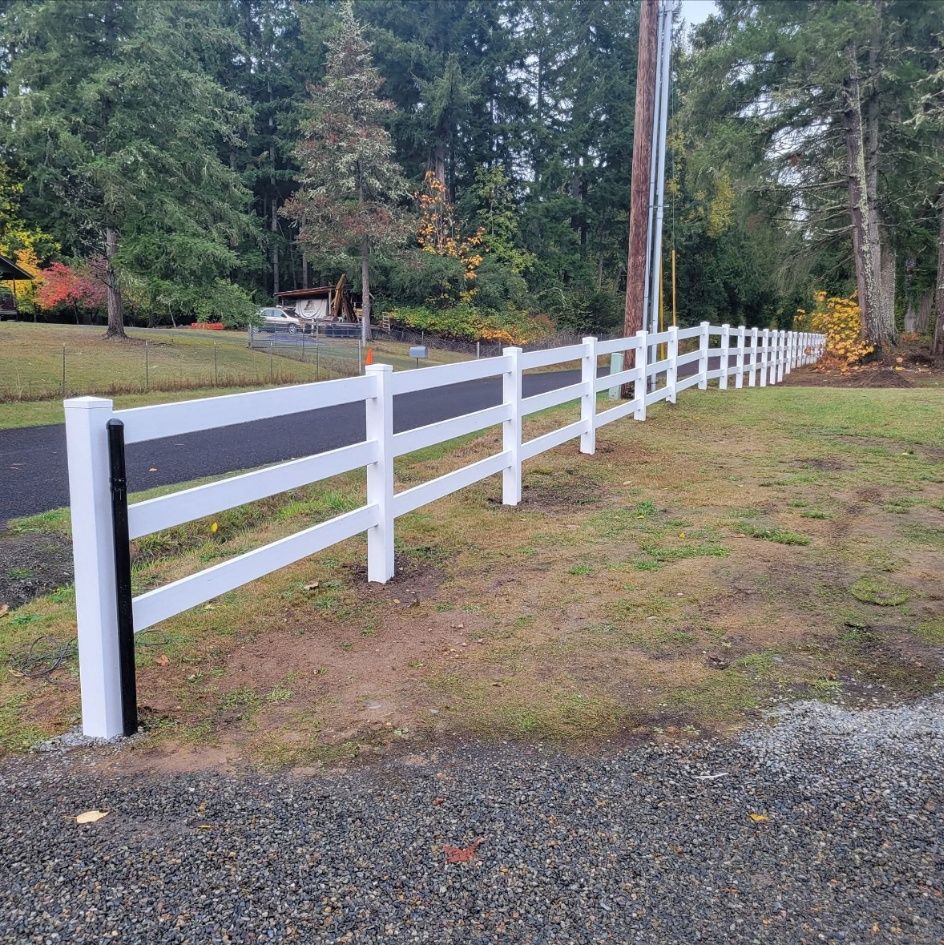
Vinyl is the set-and-forget option: no staining, no sealing, no rot, and a rinse when the green film of a Northwest winter shows up. Modern vinyl systems are engineered products with reinforced rails and UV-stable material, a long way from the flimsy panels the word used to bring to mind. We install vinyl privacy fences, picket styles, and gates in white and neutral tones.
Where vinyl wins: maintenance, uniform appearance, and lifespan without effort. Where cedar wins: natural look, easier custom work on slopes and odd lines, and repairability board by board. Neither is the budget option in every case; the honest comparison depends on your fence line, and that is what the free estimate is for.
Chain-Link Fencing
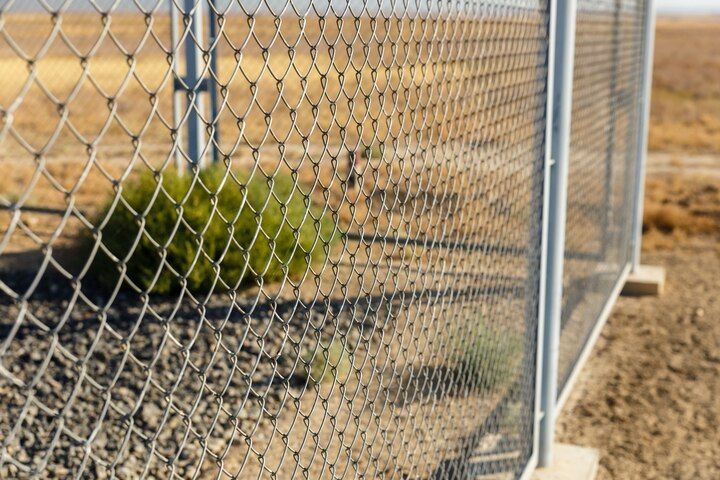
Chain-link is the workhorse: the most affordable way to secure a yard, contain dogs, or fence a large property line, and galvanized fabric shrugs off our wet season without asking for anything in return. It does not screen the view the way cedar and vinyl do, which is exactly why it is the right answer for some jobs and the wrong one for others.
Where chain-link earns its place:
- Pet containment and large runs, where footage matters more than privacy.
- Side and back property lines behind landscaping, where the fence should disappear.
- Security fencing for shops, storage areas, and gates that get real daily use.
We install galvanized chain-link with gates sized to the opening, set in concrete like every fence we build.
Fence Styles and Options
Privacy fences
Full-height solid runs for backyards, in cedar or vinyl.
Board-on-board and good-neighbor styles
Finished on both faces, so neither side gets the back of the fence.
Picket and spaced styles
Front yards, gardens, and anywhere openness matters more than screening.
Horizontal cedar
The modern profile, built with the tighter structure horizontal runs demand.
Chain-link runs
Galvanized fabric for containment, security, and long property lines.
Gates
Single walk gates and double drive gates in all three materials, framed to resist the sag that ruins most gates within a few years.
Slopes and steps
Racked or stepped panels that follow your grade instead of leaving triangles of daylight.

Why Fences Fail in Western Washington
Drive any Pierce County street and you will see the same three failures on repeat. Each one is a construction choice, not bad luck.
A fence quote that is meaningfully cheaper than the others usually saved its money in exactly these three invisible places. Ask any bidder, including us, how the posts are set and what the gate framing looks like. The answers are the fence.
Leaning Runs
Posts set too shallow, in too little concrete, or in soil that spends the winter saturated. Once the ground lets a post rock, every windstorm widens the wobble. This is why we set posts deep and let concrete cure before loading it.
Rot at The Ground Line
Wood posts fail where wood, water, and soil meet. Post material, concrete crowned to shed water away from the post, and gravel for drainage decide whether that takes eight years or twenty-five.
Sagging Gates
A gate is a lever that works its hinges and frame every single day. Undersized gate posts and unbraced frames give up first, which is why our gates get the heaviest posts on the line and framing built to fight the sag.
How a Fence Project Works
Free estimate on your fence line
We walk the line with you, flag grade changes and access issues, and talk through materials and styles with samples.
Utility locates and layout
Underground utilities are located before any post holes are dug, and the line is laid out to your survey or agreed boundary.
Posts first, then patience
Posts are set in concrete and given time to cure before rails and boards load them. Rushing this step is why other fences lean.
Rails, boards, gates, cleanup
The fence goes up, gates are hung and adjusted, and the site is cleaned, including the concrete spoils.
Walkthrough
We walk the finished line with you, test every gate, and leave you with care guidance for the material you chose.
The Crew That Already Works in Your Weather
Fences here are not carpentry projects that happen outside; they are outdoor structures in a nine-month wet season, and they reward builders who respect water the way roofers have to. Canyon builds roofs, decks, and fences across the same service area with the same habits: written scopes, protected yards, clean sites, and honest schedules. Fence crews are scheduled separately from roofing crews, so your fence date holds even in storm season.
We install cedar, vinyl, and chain-link fencing across Tacoma, Puyallup, Lakewood, University Place, Gig Harbor, and the rest of Pierce County, plus South King, Thurston, and Kitsap counties from our Tacoma base.
We Work With Your Insurance Company
Cedar
Decide early whether you want silver or stained, because switching later is work. Stained cedar wants a wash and re-coat on the cycle your stain specifies. Either way: keep sprinklers off the fence, trim vegetation that holds moisture against the boards, and knock moss off the rail tops where it starts. Individual boards that crack or cup can be swapped in minutes, which is cedar's quiet superpower.
Vinyl
Rinse it. The green film that shows up on the shaded side each winter comes off with a hose and, when stubborn, a soft brush and mild soap. Avoid pressure washing at close range and harsh solvents, which can dull the surface. Check gate hardware yearly; the fence will not rot, but hinges still loosen.
Repair or replace?
A fence with sound posts and tired boards is a repair: cedar boards and rails swap easily, and the fence gains years for a fraction of replacement cost. A fence leaning at the posts is usually a rebuild, at least along the failed run, because new boards on rocking posts buy months, not years. We will tell you which one you have when we walk the line, and we are happy to quote both so the decision is yours with real numbers on it.
Fence Installation Questions We Hear Most
How much does a new fence cost in Tacoma?
It depends on length, material, height, gates, and how your ground behaves, so we quote from a free on-site estimate of your actual fence line rather than a per-foot guess that changes on arrival.
Which lasts longer, cedar, vinyl, or chain-link?
Galvanized chain-link and vinyl generally last longest with zero effort. Well-built cedar lasts a long time too, and its lifespan tracks the maintenance it gets and, above all, how the posts were set. That is a build-quality question as much as a material one.
Do I need my neighbor's agreement for a boundary fence?
Shared-line fences go smoother with a conversation first, and cost sharing is common. We build to your survey or the boundary you direct; confirming the property line itself is the homeowner's call, and a survey is the sure way to settle it.
Can you replace just a section of my fence?
Yes, especially with cedar, where individual boards, rails, and posts can be replaced and left to weather in. Vinyl sections can often be matched within the same system line.
How long does a fence installation take?
Most residential fences take a few days including post curing time. Long runs, slopes, and multiple gates add time, and your written estimate includes the actual schedule.

Get a Straight Fence and a Straight Answer
Walk your fence line with us. We will measure it, talk through cedar versus vinyl on your actual ground, and hand you a free written estimate.