Emergency Roof Tarping Service
When a storm opens up your roof, the repair can wait a few days. The water cannot. A properly installed roof tarp stops the damage from spreading through your insulation, drywall, and framing while the repair, the materials, or the insurance claim catches up.
ANSWERED 24/7
|
TACOMA BASED
|
WE WORK WITH YOUR INSURANCE
|
WA CONTRACTOR LICENSE #CANYORN741N8
Protect Your Home
Canyon Roofing Northwest installs emergency roof tarps 24 hours a day across Tacoma, Pierce County, and Western Washington.
When Emergency Tarping Is the Right Call
A tarp is not a repair. It is a shield that buys time, and there are specific situations where it is exactly the right move:
Water is coming in and the rain has not stopped
Almost no permanent roofing work can be done safely or correctly in active rain. A tarp can be installed in weather a repair cannot.
A tree limb or windstorm just opened the roof
Impact damage rarely confines itself to shingles; decking is often broken. Until it is rebuilt, the hole needs to be covered.
You are waiting on an insurance claim
Insurers expect homeowners to prevent further damage after a loss. Tarping is the standard way to do that, and we document the damage before we cover it so the claim does not lose evidence.
Materials are on order
Specialty shingles, metal panels, and tile are not always same-week items. A tarp protects the roof until the right materials arrive, so you are not pressured into the wrong ones.
The damage is too widespread for a same-day repair
When a storm strips a large section, tarping stabilizes the whole area so repairs can be planned instead of improvised.
If any of those sound like your situation right now, call (253) 401-1930. If you are not sure whether you need a tarp or a repair crew, call anyway and describe what you see; we will tell you which one we are sending.
How We Tarp a Roof
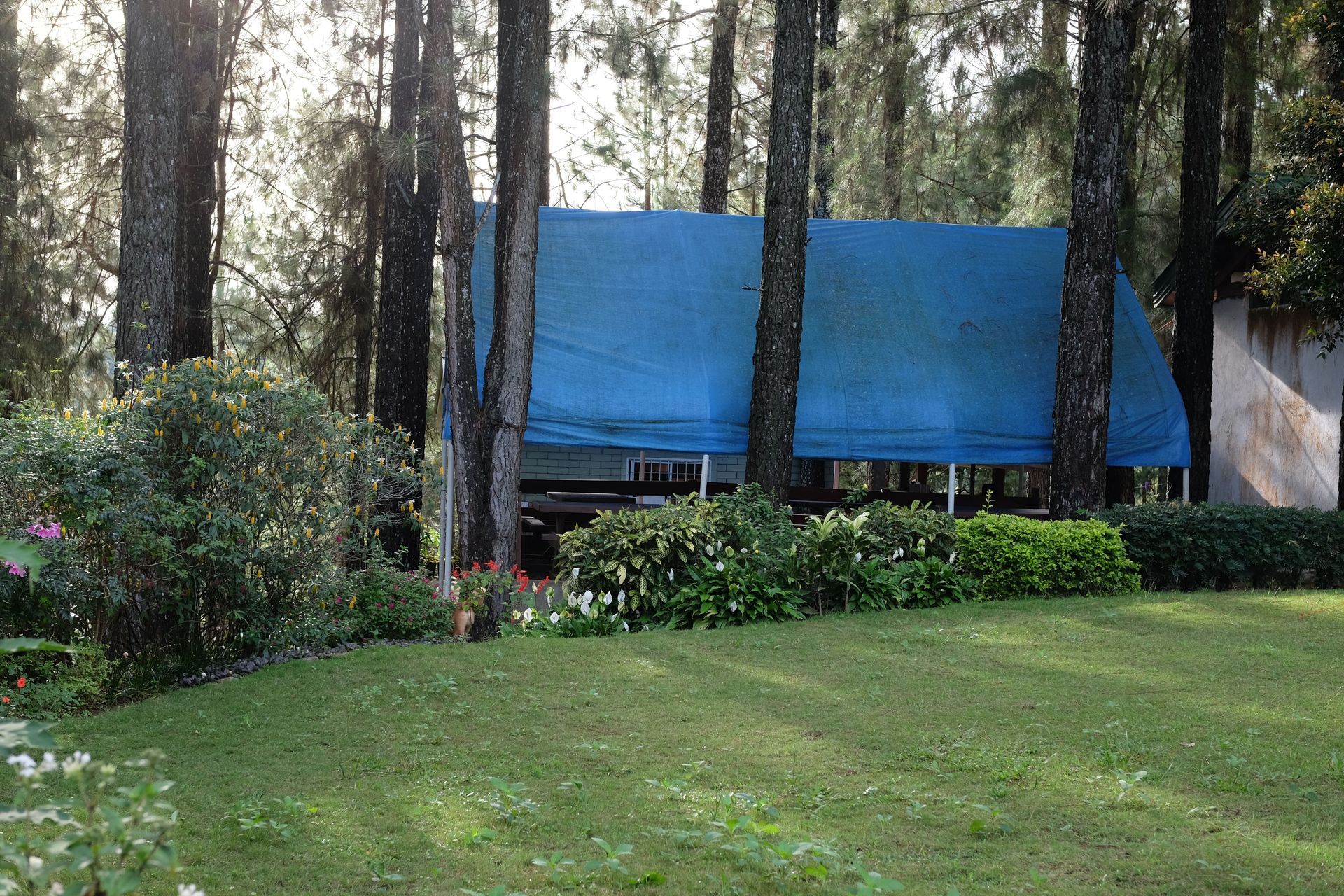
There is a real difference between a tarp thrown over a ridge with some bricks on it and a tarp installed by a roofer. Ours are installed to shed water and survive wind, because a tarp that fails in the next storm is worse than no tarp at all: it convinces you the roof is protected when it is not.
We assess safely
Storm damaged roofs hide broken decking. We check what we are walking on before anyone walks on it, and we work roped where the conditions call for it.
We document first
Photos of the damage before it is covered, for your insurance claim and for the repair estimate. Covering evidence before recording it is the most common tarping mistake homeowners make.
We cover past the damage
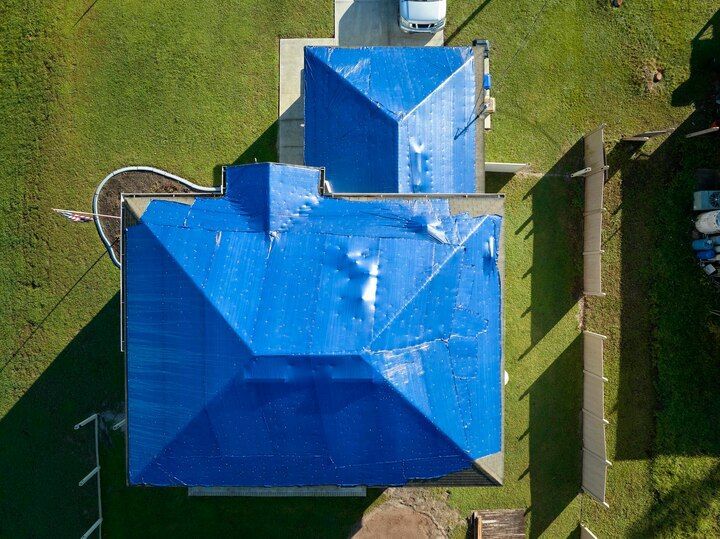
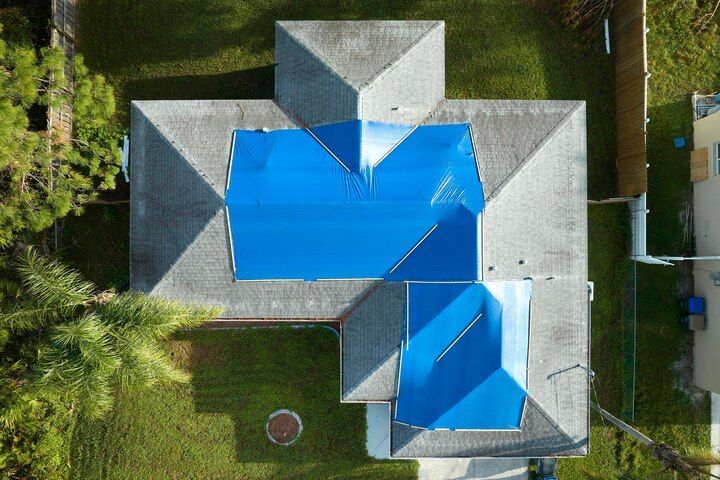
The tarp extends well beyond the damaged area and over the ridge where possible, so water sheds over the tarp instead of running under its top edge.
We secure it against wind
Furring strips and proper fastening at the edges, not loose plastic and hope. The Puget Sound windstorm that damaged your roof will have a sibling along shortly.
We plan the permanent fix
Before we leave, you know what the repair will involve and you have our written free estimate to act on, on your schedule or your insurer's.
How Long Can a Tarp Stay on a Roof?
A properly installed tarp is good for weeks and can survive a few months if it has to, which is usually enough to get through an insurance claim or a materials order. It is not good for a season of neglect. UV exposure makes tarps brittle, wind works at the edges, and every week under a tarp is a week the roof is not actually fixed.
Our honest guidance: treat a tarp as a bridge with a countdown on it. When we install one, we tell you how long we would trust it in your conditions, and we schedule the permanent repair as soon as your situation allows. If the damage revealed a roof that is beyond repair, we will show you the replacement options instead, with photos of why.
What a Tarp Protects While You Wait
The visible hole in the roof is the least of it. What tarping actually protects is everything downstream of that hole.
Your first two calls after storm damage should be to us and your insurer, in either order. Preventing further damage is both your policy's expectation and the point of everything in what we do when we arrive.
Insulation
Wet insulation compresses, stops insulating, and rarely dries in place. It usually has to be replaced, room by room, under wherever the water traveled.
Drywall and ceilings
Saturated ceilings stain first, sag second, and come down third. That progression can run its course in a single wet week.
Framing and decking
Wood that stays wet grows rot and mold. Structural repairs cost multiples of the roofing repair that would have prevented them.
The insurance claim itself
Insurers cover the storm's damage; damage that accumulates afterward because nothing was done is a harder conversation. A dated, documented tarp installation shows the loss was contained.
Why We Do Not Recommend Tarping Your Own Roof
We are a roofing company, so you would expect us to say this, but the reasons are practical, not commercial.
If you have already tarped the roof yourself, that is not a problem: call us and we will inspect it, re-secure it if needed, and document what is underneath.
The Decking May Be Broken
The storm that tore the shingles may have cracked the sheathing under them. From the surface, broken decking looks like every other part of the roof, until weight lands on it.
Wet Roofs Are Slide Hazards
Wet moss and wet shingles behave like ice on a slope. Roofers fall on these conditions with training and rope; homeowners fall without either.
A Bad Tarp Fails Silently
Water finds the edge of a loose tarp and keeps soaking the decking underneath while the ceiling below looks dry. The damage bill grows quietly for weeks.
Insurance Documentation Matters
Photos taken in the right order, before and after covering, keep your claim clean. It is much harder to document damage that is already covered by a wrinkled tarp.
Emergency Tarping Across Tacoma and Western Washington
Canyon Roofing Northwest is based at 5324 84th St E in Tacoma, and we answer emergency calls 24 hours a day, 7 days a week. We tarp roofs throughout Tacoma and Pierce County (Puyallup, Lakewood, University Place, Gig Harbor, South Hill, Spanaway, Bonney Lake, Sumner), South King County (Federal Way, Auburn, Kent), Thurston County (Olympia, Lacey), Kitsap County (Port Orchard, Bremerton), and out to the Olympic Peninsula, Ellensburg, and Everett.
Because the service area is wide and storms do not schedule themselves, arrival time depends on where you are and what the night looks like. We will give you an honest arrival estimate when you call, not a slogan.
Roof Tarping Questions We Hear Most
Can you tarp a roof in the rain?
Yes, within safety limits. Tarping is specifically the service that can be done in weather that repairs cannot. In dangerous wind we may need to wait for a gap in the storm, and we will tell you that on the phone rather than leave you guessing.
How long can a tarp stay on a roof?
A professionally installed tarp is typically reliable for weeks and can last a few months when properly secured, but it degrades in UV and wind the whole time. Treat it as temporary protection with a deadline, not a fix.
How much does emergency roof tarping cost?
It depends on the size of the damaged area, the roof's pitch and height, and the conditions we are working in, so we quote it when you call and describe the situation. The estimate for the permanent repair that follows is free.
Will my homeowner's insurance pay for tarping?
Many policies cover reasonable steps taken to prevent further damage after a covered loss, and tarping is the textbook example. We cannot speak for your policy, but we document the damage and the tarping work so you have what the claim needs. Confirm coverage with your insurer.
Do you repair the roof after tarping, or just tarp it?
Both. Tarping is step one; the repair is the point. We photograph the damage, tarp the roof, and hand you a written free estimate for the permanent repair before we leave. You are never obligated to use us for the repair, but most homeowners prefer the crew that already knows what is under the tarp.
Storm Damage Does Not Wait for Morning
Neither do we. If water is getting into your home, call now and we will get protection on the roof, then fix it right when the weather lets us.